

This is my third post in a series, where each Monday I will post about a point of reflection or insight that I will use to reflect and meditate on during the week. In order to make it a bit more focused and interesting, I will attempt to do this with topics beginning with letters from A to Z. I have often found that having a specific topic to reflect and/or meditate on during the week really lends itself to interesting insights and growth, because you not only have several days to reflect and meditate on the topic, but you have several days to put any lessons and insights that you discover to work in your every day life. For those that follow me on Twitter (@JasonLivingNow) I will try to write updates as the weekly topics come up during meditations, moments of reflection, or just during every day life. To view the current and previous entries in this series, please visit the: Reflections and Insights A Through Z section.
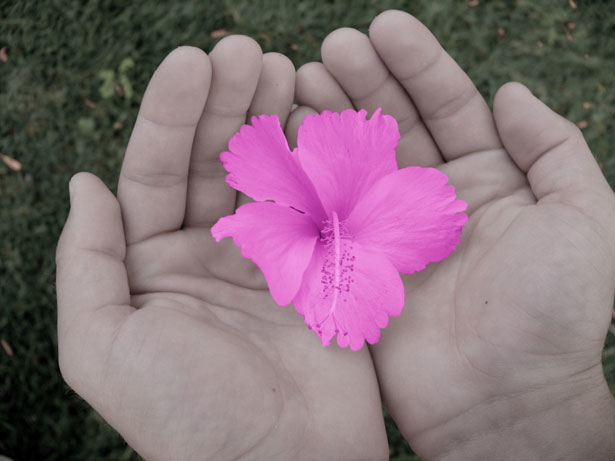
Used with permission from: http://www.publicdomainpictures.net
C= Compassion: Compassion is best defined as empathetic action, where one takes steps to understand the cause of another’s suffering, and then undertake action to ease the suffering, and hopefully prevent whatever problem or issue caused the suffering from occurring again in the future. Every religion, from Jesus’ Beatitudes and teachings on charity, to Islam’s Zakāt pillar of faith, to Buddhism’s Eightfold Path, teaches that developing a compassionate character is essential for anyone wishing to live a happy and fulfilled life. The reason that every religion promotes compassion, is because it is an essential ingredient for not only your own happiness, but the happiness of others.
“If you want others to be happy, practice compassion. If you want to be happy, practice compassion.” -H.H. The 14th Dalai Lama
Compassion naturally develops internal and external happiness, because compassion allows you to reflect your positive values and wisdom out into the world at large in order to make the world a better place. On an internal level, compassionately helping others naturally makes us feel good and raises our level of awareness. On an external level, compassion should be used to help alleviate the suffering of all sentient beings, which naturally makes those around us and the world at large happier. Also, as those around you become happier through your compassionate acts, they will naturally reflect your acts of kindness back to you, in the same way that ripples in a pond eventually return to their source.
Compassion also aids us in understanding the Divine Truth that we are all interconnected with one another. Each person alive is a creation of God, and we are each brothers and sisters sharing in the mystery of life. By realizing that we are each interconnected with one another, it is natural to act compassionately towards another person, or another sentient being, in order to end their suffering. Also, as long as those around you are suffering, you will also suffer in one form or another.
“Compassion is the capacity for feeling what it is like to live inside somebody else’s skin. It is the knowledge that there can never really be any peace and joy for me until there is peace and joy finally for you too.” – Frederick Buechner
All of the world religions demand constant acts of compassion from their adherents, rather than sporadic acts of kindness. In order to constantly focus on compassion, it is essential to develop a compassionate character. A compassionate character means integrating compassion into the very core of your psyche, so that it is at the forefront thoughts and actions. This can be formed by thinking about, and seeking out, those around you that are suffering, and instead of judging them for whatever the source of their suffering may be, offer them a helping hand to alleviate that suffering. By constantly seeking to help those around you solely out of compassion rather than for personal gain or public praise or acknowledgement, compassionate character is built and strengthened.
Practical Tip: Throughout the week, if you see someone who is suffering, practice compassion by trying to alleviate their suffering, and don’t judge them for whatever the cause of their suffering may be. Also, try to set aside time to meditate or reflect on ways that you can practice compassion, as well as times that you yourself have been shown compassion.
I would love to see comments on what compassion means to you, how you practice compassion, how you have or plan on developing a compassionate character, or if you wish to use the topic of compassion as a point of reflection during the week I would love for you to share any insights that come up.
Please come back next week for the next installment of this series, and as always if you enjoyed what you read, please share on social network sites, subscribe to this site, and share this site with others!
Also please check out my book, “The Path: Using the Religions of the World as a Guide to Personal and Spiritual Development.” (Click on the book cover to view on Amazon.com)



11 pings
Skip to comment form ↓